In the lineage of Erik Satie · Claude Debussy · Ludovico's quiet school · Federico Mompou · Harold Budd
Log
The Trace of Silence
Zion Lambert's tenth album for Barbican Records, The Trace of Silence, arrives 1 March, and it feels like a fitting place to pause. The record is built around the space between phrases as much as the phrases themselves, silence treated as something with real weight of its own.
"Ten albums in, I keep coming back to how grateful I am that any of this happened at all," Zion says. "I started out just wanting to make something honest on the piano, and somewhere along the way it turned into a whole conversation with people I'll probably never meet. That still humbles me. I've leaned on my faith through all of it, more than I usually say out loud, and I think that's part of why gratitude keeps showing up in these records instead of ego. My hope for anyone listening is simple. I want people to reach whatever they were actually made for, not just get by. If this music helps even one person take a step toward that, all ten of these records were worth making."
Eternity in an Instant
Zion Lambert's ninth album for Barbican Records, Eternity in an Instant, is out 2 February. It's his most compact record, most pieces under three minutes, built on the idea that a single held chord can carry as much as a much longer passage.
"This whole album came from noticing how much can happen in one small moment if you actually pay attention to it," Zion says. "A moment of gratitude, a moment of quiet, a moment where you finally hear an answer you'd been praying about for a while. I don't think you need hours to have something real happen in your life. I hope this record reminds people to look for those instants instead of waiting for some bigger, more obvious moment to arrive."
The Journey of the Shadow
Just over a week after The Echo of the Moon, Barbican Records releases Zion Lambert's The Journey of the Shadow on 30 January, his eighth album. It's darker and lower than most of his catalogue, built around a single motif that gets varied and returned to rather than resolved.
"I wanted to make something honest about the harder seasons," Zion says. "I've had my share, and I used to think music like mine had to stay bright to be worth making. This record taught me otherwise. I'm grateful for the hard seasons too now, in hindsight, because I don't think I'd value the light the way I do without having walked through some shadow first. If someone's in a difficult season right now, I hope this album is honest company for it, not a fix, just company."
The Echo of the Moon
Barbican Records shares the first release of the new year from Zion Lambert, The Echo of the Moon, arriving 22 January as his seventh album. It plays with reflection and delay, phrases stated plainly, then answered more quietly, like a thought that comes back to you later, softened.
"I made this one mostly at night, when the house was quiet and I could actually hear myself think," Zion says. "That's usually when I do my best reading and my clearest praying too, if I'm honest. There's a real gratitude in those hours for me. I hope this record gives people a version of that quiet, a space at the end of the day to hear their own thoughts answer themselves a little more gently than they expected."
The Fate of Wind
Zion Lambert closes out an unusually busy year with The Fate of Wind, his sixth album for Barbican Records, out 22 December. It's built around movement and weather, quicker and less settled than the two records before it, like something being carried along rather than choosing its own direction.
"I wrote this one thinking about how much of life we don't actually control," Zion says. "For a long time that scared me. Now I find it's something to be grateful for, honestly, because it means I get to trust something bigger than my own plans. I read something once about the wind blowing where it wishes, and you hearing the sound of it without knowing where it comes from or where it's going. That image never left me. I hope this record helps someone let go of a plan that isn't working, and trust the next gust instead."
The Path of Infinity
The Path of Infinity, Zion Lambert's fifth album for Barbican Records, is out on 12 December. It's his most continuous record yet, one idea carried all the way through rather than broken into separate tracks, built to be heard as a single, unhurried journey.
"This one is about trusting a longer path than you can see the end of," Zion says. "I think most of us want to know exactly where we're going before we take the first step, and I used to be like that too. Making this record taught me to keep walking anyway, and to be grateful for not knowing everything yet. I hope it gives people a bit of courage for whatever path they're on right now, especially the parts that feel like they're taking longer than they should. Good things usually do."
In the Light of Memory
Barbican Records will release Zion Lambert's fourth album, In the Light of Memory, on 5 December. It's a record about looking back, though not in a heavy way. Melodies introduced early return later, softer and further away, the way a memory does when you've made peace with it.
"I wanted this record to be kind to the past instead of afraid of it," Zion says. "There's a lot in my own story I could look back on with regret, but I've been trying to practise gratitude for all of it instead, even the hard parts, because they got me here. I think a lot about a line I read once, about light shining in the dark and the dark not overcoming it. That's this whole album, really. I hope it helps someone else make a little peace with their own memories too."
Walking Around Munich
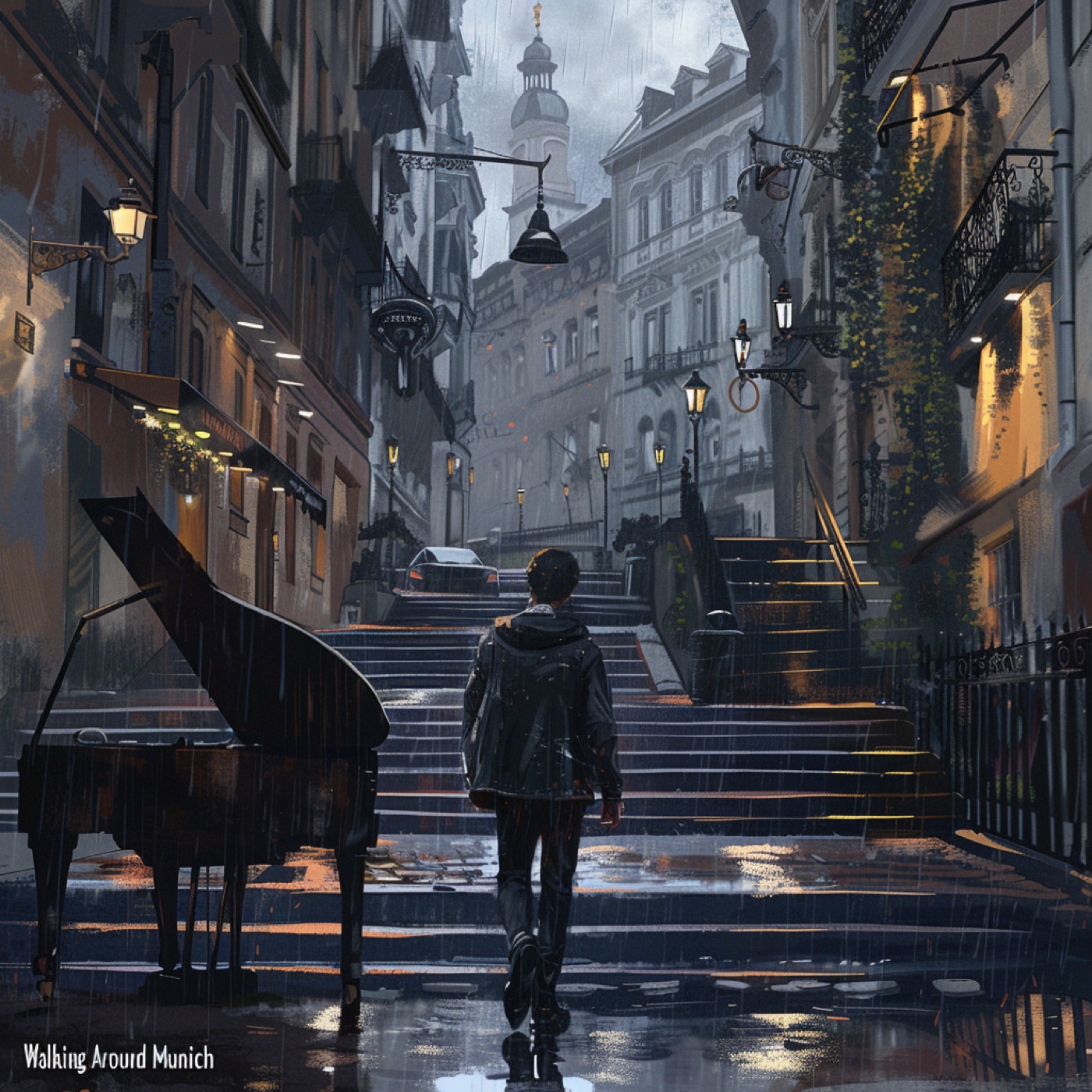
Out on 19 June from Barbican Records, Walking Around Munich is Zion Lambert's third album, and probably the easiest place to start with his music. Each piece follows the idea of a walk through the city he calls home, ordinary streets turned into something worth paying attention to.
"This is the record closest to my everyday life," Zion says. "I wrote most of it on actual walks, just noticing things I usually rush past. I've been reading a lot about gratitude lately, about how it's less a feeling and more a habit you build one small notice at a time. That's exactly what these walks became for me. I hope people who hear this start noticing their own streets a bit more. There's usually more going on around us than we give it credit for."
Air Whisper
Barbican Records brings us Zion Lambert's second album, Air Whisper, landing on 16 May, and it's a quieter, more intimate record than his debut. Where Rhapsody of Only One stretched out, this one holds still, built from short pieces centred on breath, on the small pause between one note and the next.
"Making this record taught me something about patience," Zion says. "I used to rush past the quiet parts of the day. Now I try to notice them, because that's usually where I hear things most clearly, including the things I'm grateful for. I read something recently about being still enough to listen, and it stuck with me the whole time I was recording. If this album gives someone even a minute of that stillness, I'll count it a good record."
Rhapsody of Only One
Barbican Records has a new record on the way from Zion Lambert, and it feels right to call it a beginning. Rhapsody of Only One arrives on 20 February, his first full length statement for solo grand piano. Rather than a set of separate songs, it plays as one long, unfolding piece, ideas returning changed rather than repeated, like thoughts you come back to at different points in your life.
"I'm grateful for this one in a way I didn't expect to be," Zion says. "I started it feeling quite alone with it, and by the end I didn't feel alone at all. There's a verse I keep close, about being still and letting things settle, and that's what this record taught me to do. My hope is simple. I want whoever hears it to feel a little more permission to slow down and trust where they're headed, even if they can't see the whole road yet."
On the sound
One grand piano, and as little else as I can get away with.
Performances
Every so often I play somewhere tiny around Germany — a back room, a little hall, once a kitchen. Never big, never really advertised. If you'd host one, message me.
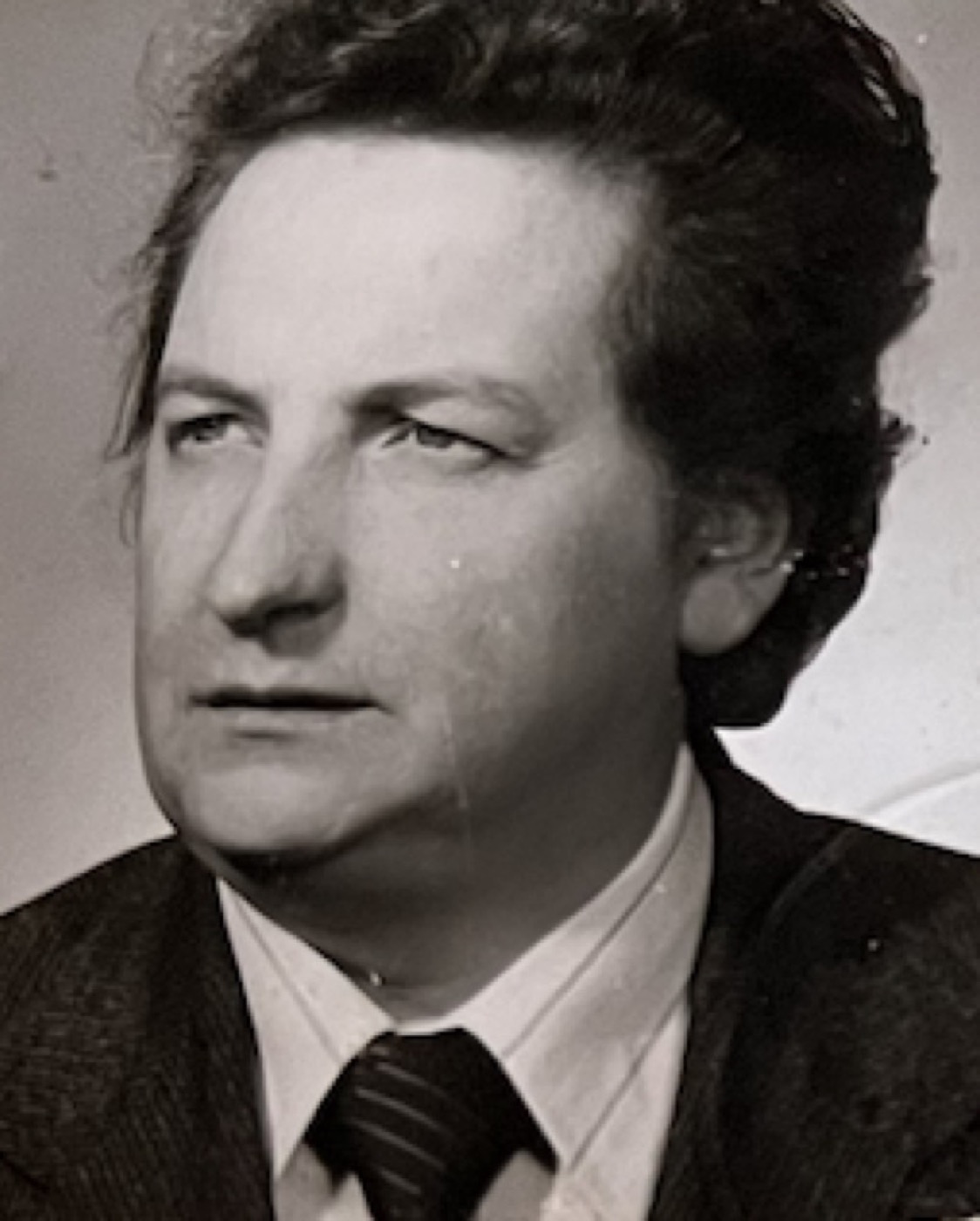
Zion Lambert grew up in a quiet seaside town before the city eventually pulled him in. His Steinway still remembers the coast, even from a Munich apartment.
It's urban classical, played on the grand piano, and if I'm honest it's a diary about learning to live somewhere loud after growing up somewhere quiet. Munich is most of it. The coast never quite left.
The records — “Air Whisper”, “Eternity in an Instant”, “In the Light of Memory”, “Music Stroller”, “Rhapsody of Only One” and more — are entries, really. One continuous notebook.
Studied at the Academy of Music in Gdańsk (AMuz), on the Baltic coast, which never quite left the writing.